All Categories
Featured
Table of Contents
If the group does not comprehend why changes are taking place, peaceful resistance will follow. Successful application is about handling progressive modifications in daily habits.
As soon as preliminary results appear, there is a strong temptation to stop. And this is the moment that identifies the business's future. Transformation is a new operating design, and it just really works when it stops being viewed as something separate or momentary. What matters at this phase: Not in basic regards to "worked or didn't work," however change by modification: effect on speed, expenses, mistakes, sales, and client fulfillment.
If brand-new guidelines are not working, they should be altered. Flexibility matters more than stiff adherence to the original plan. The objective of this stage is to transfer the reasoning of modification to groups and embed it into operational thinking. If modifications worked in one unit, they can be scaled.
This is the minute when digital modification stops being a project and enters into everyday operations. This is where real tactical advantage starts. Companies frequently approach us after they have actually currently begun improvement but got stuck along the way. On the surface area, whatever appears like development, but internally there is constant tension and no concrete results.
Here are 5 common scenarios that undermine even the very best intentions: The business does not completely comprehend why and what it is transforming. It joined a job, purchased something new, perhaps even launched it. There is motion, however no direction. What to do: start with a concrete organization diagnosis. Clearly define what must alter and how it will be determined.
Smart Foundations for Next-Gen Digital Success
The group continues to work as before, with no changes in culture, processes, or management. In this case, brand-new tools end up being expensive designs.
Groups working on change between other tasks hardly ever reach outcomes. Duty is theoretically shared by everyone, however in practice belongs to nobody. This results in unlimited discussions, postponed choices, and interdepartmental conflicts. What to do: assign a dedicated team, resources, and time. This is a top-priority initiative, not an optional add-on.
An organization can alter procedures, but if people do not rely on the system, resist change, or continue working out of routine, failure is almost ensured. What to do: include key people early. Discuss the reasoning behind modifications, make sure transparent interaction, and create an environment where it is safe to make errors, experiment, and adjust.
Strategic Technical Insights for Operating Innovation
If the objective is to speed up sales, determining the number of conferences held makes little sense. Listed below, we will examine four classifications of metrics that should stay in focus.
The variety of systems through which a single transaction passes (the less, the better). These metrics demonstrate how close your operations are to an automated, fast, and scalable model. CAC (Consumer Acquisition Cost) the expense of drawing in a consumer. Average check or margin of the deal. ROI of transformational efforts, for instance, for every single $1 invested, $1.80 in results was achieved.
Technical Roadmaps for Managing Distributed InnovationPortion of repeat purchases or agreement renewals. Number of support demands for common problems (if it does not decrease, the changes are not working). Time needed to receive reportsNumber of incorporated data sourcesThe proportion of decisions made based on information rather than assumptions. This can be measured through team surveys.
Leading High-Impact Corporate R&D in Transition
Successful improvement is when it ends up being clear what works best, where, and why. In practice, whatever is always more intricate: spending plans are restricted, teams are overwhelmed, and technologies are not constantly easy to comprehend. That is why it is essential to look not just at theory, but likewise at genuine cases where business from different markets handled to go through change and attain quantifiable outcomes.
If the goal is to speed up sales, determining the number of meetings held makes little sense. Below, we will take a look at 4 categories of metrics that must stay in focus.
The number of systems through which a single transaction passes (the fewer, the better). These metrics show how close your operations are to an automated, quickly, and scalable model.
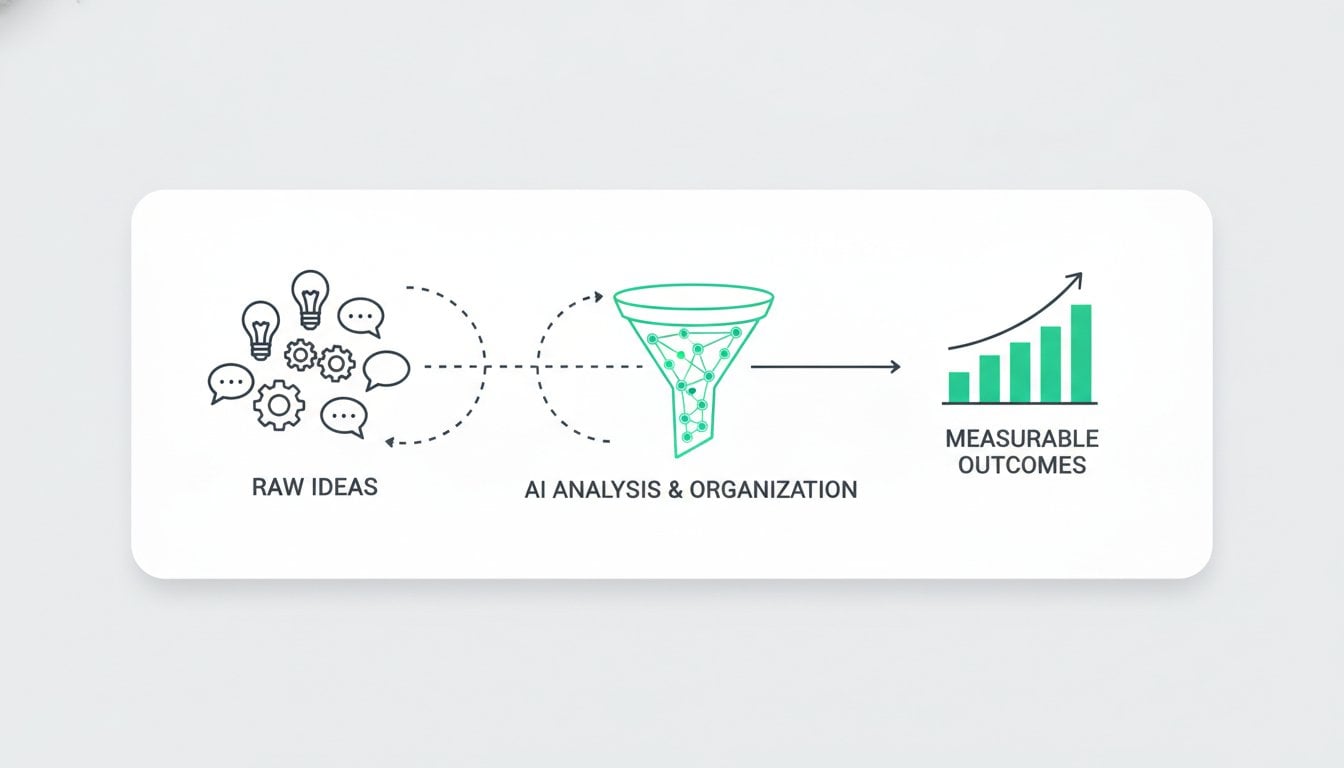
Number of assistance requests for typical problems (if it does not decrease, the changes are not working). Time needed to receive reportsNumber of integrated data sourcesThe proportion of decisions made based on information rather than presumptions.
New Corporate Innovation Cycles for Digital Growth
Successful transformation is when it becomes clear what works best, where, and why. In practice, everything is always more complex: spending plans are restricted, groups are overloaded, and innovations are not constantly easy to understand. That is why it is necessary to look not just at theory, but likewise at real cases where business from different markets handled to go through improvement and accomplish quantifiable outcomes.

Latest Posts
Technical Roadmaps for Launching Distributed Innovation
Why Smart Infrastructure Drives Corporate Growth
Key Tips for Leading Complex Digital Transformation